
Executive Overview
In the high-stakes ecosystem of contemporary style, the definition of an "It Girl" has undergone a profound structural shift. While the red carpets of the Oscars and the Met Gala continue to offer up-to-the-minute displays of custom high-fashion engineering, the true arbiters of the modern sartorial zeitgeist operate far beyond the glare of Hollywood searchlights. Today’s most influential dressers are those who curate their wardrobes with a blend of archival scavenging, high-low juxtaposition, and a refusal to bow blindly to transient algorithmic trends.
This current style landscape is defined by a paradoxical harmony: preppy revivals running parallel to Y2K-coded nostalgia, and hyper-curated minimalist silhouettes clashing with unapologetic maximalism. Yet, the women driving these shifts do more than merely wear clothes—they dictate cultural consumption habits. Whether they are breathing new life into vintage Comme des Garçons, executing subversive styling hacks on TikTok, or redefining the creative direction of legacy American retail, these figures transform everyday dressing into a form of active cultural criticism.
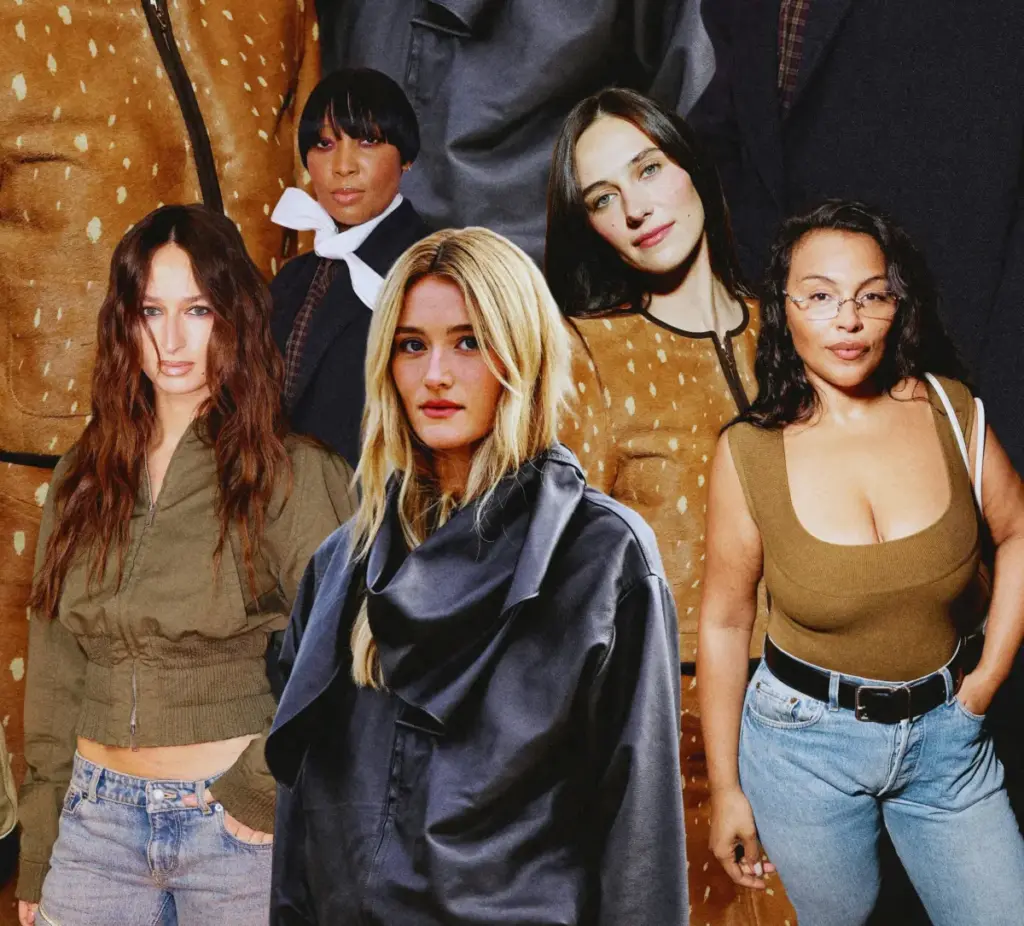
This report examines eight distinct tastemakers who command the global fashion consciousness. Far from being mere billboards for major luxury houses, these women function as working curators, stylists, designers, and cultural disruptors. Their wardrobes—documented through off-duty street style, casual mirror selfies, and digital deep dives—form the baseline of what the global consumer will covet tomorrow.
Detailed Chronology: The Evolution of Modern Style Influenced by the 2026 Vanguard
The current fashion cycle did not materialize in a vacuum; it is the culmination of a multi-year shift away from mass-market homogenization toward hyper-individualized storytelling.
- Early-to-Mid 2020s (The Archival Awakening): The post-pandemic landscape triggered an explosion in second-hand shopping platforms like TheRealReal and Depop. Consumers and tastemakers alike turned away from fast-fashion micro-trends, sparking an insatiable appetite for archival pieces from old Céline, Alexander McQueen, and Jean Paul Gaultier. Figures like stylist Amanda Murray and model Paloma Elsesser pioneered a methodology of mixing heritage runway items with contemporary streetwear, setting a new standard for authentic luxury curation.
- Late 2025 (The Return of the Intellectual Working Wardrobe): Driven by prestige television and cultural nostalgia, the appetite for streamlined, corporate-adjacent dressing surged. Actresses such as Sarah Pidgeon stepped into the global spotlight, embodying a New York-centric intellectualism that married sharp tailoring with rugged everyday staples like Levi’s 501s. This era proved that classic tailoring could feel entirely modern when filtered through a lens of personal utility.
- Summer 2026 (The Sporty Maximalist Shift): As global attention turned toward sports-infused lifestyles, digital creators like Isabelle Allain championed an eccentric form of athletic-casual dressing. Combining seemingly contradictory textures—such as silk bombers with technical knitwear and conceptual footwear—the digital landscape shifted from uniform mood-board aesthetics to chaotic, high-level color-blocking.
- Present Day (The Unified Designer-Consumer Synthesis): Today, the boundaries between the designer, the stylist, and the end consumer have entirely dissolved. Visionaries like J.Crew’s Olympia Gayot and runway mastermind Lotta Volkova have bridged the gap between heritage commercial viability and avant-garde street execution. The modern style narrative is no longer dictated solely from the top down; it is negotiated in real-time through digital hauls, mirror selfies, and subversive street-level styling.
Supporting Context & Metrics: The Mechanics of Modern Influence
To understand the economic and cultural impact of these eight women, one must examine the metrics of modern digital and physical influence. In the contemporary market, a single post, TikTok haul, or off-duty street-style photograph can trigger immediate sell-out events across global e-commerce platforms.
The High-Low Economic Engine
The democratization of luxury has accelerated through the strategic integration of accessible brands with unattainable vintage pieces. Tastemakers who seamlessly pair luxury items—such as a Chanel runway bag or an archival Loewe coat—with vintage Levi’s or emerging independent labels (like Zoe Anna Gustavia Whalen) generate a massive halo effect for smaller brands. Market analysis indicates that consumer intent shifts significantly toward lesser-known designers when they are co-signed by figures operating outside traditional corporate styling parameters.
Digital Curation as Retail Catalyst
Platforms like TikTok and Instagram have transformed from passive entertainment channels into direct-to-consumer search engines. Series like Michelle Li’s runway-to-real-life slow-motion sprints or Paloma Elsesser’s "Soft Obsessions" demonstrate that consumers are no longer satisfied with static editorial imagery. They crave process, context, and tactile appreciation.
- Algorithmic Longevity vs. Trend-Agnostic Shopping: While fast fashion thrives on hyper-fast micro-trends, the modern tastemaker relies on trend-agnostic philosophies. By rescuing forgotten silhouettes or overlooked accessory categories—such as obscure sunglasses or vintage archival leather goods—these women extend the lifecycle of garments, driving the secondary luxury market to unprecedented heights.
Official Statements and Industry Perspectives
The structural influence of these figures is widely recognized by the architects of the global fashion industry. Rather than relying on traditional celebrity endorsement models, luxury houses are increasingly partnering with creators and stylists whose operational understanding of garments runs deeper than standard brand ambassadorships.
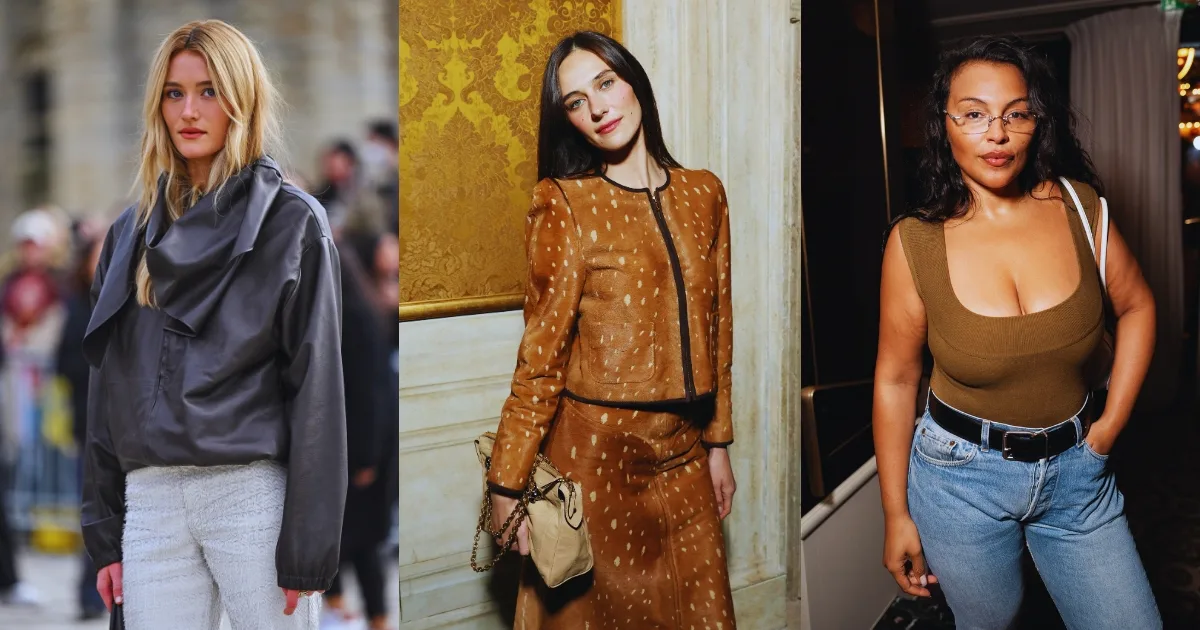
Industry analysts emphasize that modern consumers possess a high degree of skepticism toward overly polished, corporate marketing. Speaking on the shift in brand partnerships, leading creative consultants note:
"The consumer can immediately spot an inauthentic placement. Today’s most impactful style icons are those who treat their wardrobes as living archives. They do not merely wear clothes; they contextualize them within a broader cultural and historical framework, making the garment feel essential rather than promotional."
Furthermore, designers themselves are increasingly taking on the mantle of style icons. Executives leading heritage brands have observed that the modern buyer is captivated by the internal creative process. When leaders like Olympia Gayot document the inner workings of design studios through mirror selfies and workplace documentation, they foster a transparent, intimate relationship with the consumer base that traditional advertising campaigns struggle to replicate.
Future Outlook: Where Modern Fashion Is Headed
As the industry looks beyond the immediate fashion cycles, the trajectory set by these eight women points toward a future defined by radical individualization, tactile engagement, and sustainable archival appreciation.
1. The Death of the Monolith Aesthetic
The era of a single, all-encompassing seasonal trend is officially yielding to micro-communities of style. Whether adopting Sarah Pidgeon’s streamlined New York functionalism, Michelle Li’s maximalist color theory, or Devon Lee Carlson’s effortless ’70s bohemianism, consumers are learning to cherry-pick elements that resonate with their personal narratives rather than adopting wholesale runway looks.
2. The Elevation of the Digital Creator to Design Authority
The barrier between content creation and high-fashion execution will continue to dissolve. Creators who demonstrate genuine technical knowledge of color, proportion, and textile history—exemplified by figures like Isabelle Allain and Amanda Murray—will increasingly step into formal design, curation, and consulting roles, permanently altering how luxury houses select their creative visionaries.
3. Archival Preservation as the Ultimate Luxury
As primary manufacturing faces increasing scrutiny regarding sustainability and overproduction, the cultural cachet of vintage, archival, and second-hand sourcing will only intensify. The hunt for rare garments—facilitated by platforms that bridge digital curation with physical acquisition—will remain the ultimate status symbol for the discerning global dresser.
Ultimately, the eight women profiled herein serve as a masterclass in modern sartorial autonomy. By rejecting passive consumption in favor of active, intellectual wardrobe building, they have established the blueprint for how we will dress, shop, and think about style for years to come.