Executive Overview
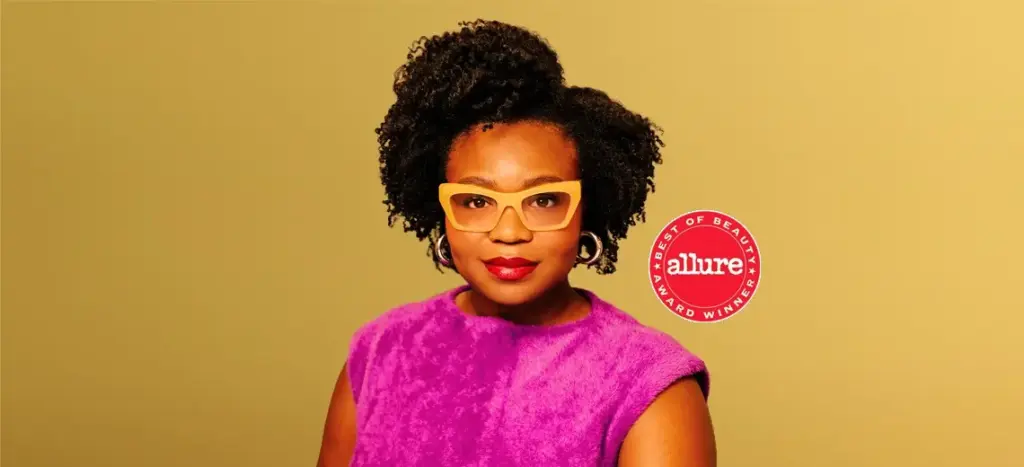
For nearly three decades, the retail landscape of the global beauty and wellness industries has bowed to a single, hyper-recognizable graphic: a glossy, circular emblem stamped onto packaging, splashed across digital ad campaigns, and proudly displayed on social media grids. This is the Allure "Best of Beauty" seal—a symbol that has come to represent the ultimate consumer validation in a crowded, hyper-competitive marketplace.
Launched in 1996—just five years after Condé Nast introduced Allure to newsstands—the annual awards franchise has evolved from a magazine round-up into a powerhouse commercial engine. Winning the seal is not merely a badge of honor for beauty brands; it is a transformative business event. According to internal research cited by Allure Editor-in-Chief Jessica Cruel, products bearing the coveted seal consistently outperform neighboring competitors on shelves and digital storefronts, driving consumer conversion rates through sheer authoritative trust.
In a special episode of the Glossy Beauty Podcast hosted by Lexy Lebsack, Cruel pulled back the curtain on the multi-month, rigorous testing process that defines the awards. Speaking on the release day of the 2026 winners, Cruel offered an unvarnished masterclass in modern beauty journalism, dissecting what it takes for a product to survive the grueling elimination rounds, how independent and legacy brands can optimize their relationships with editors, and why the rise of "skin-fluencer" culture and advanced aesthetic treatments makes the editorial filter more critical than ever.
This article explores the anatomy of the Allure Best of Beauty awards, examining the shifting criteria for victory, the operational realities of beauty media testing, and the broader future of an industry grappling with wellness, holistic care, and an ocean of digital misinformation.
Detailed Chronology: The Anatomy of a Best of Beauty Contender
To understand the weight of the Allure Best of Beauty seal, one must understand the gauntlet products must run before an editor ever considers bestowing the accolade. Cruel’s insights during her conversation with Lebsack demystify a timeline that operates year-round, moving far beyond the glitz of the final announcement day.
The Initial Screening: Surviving the Elimination Rounds
Cruel emphasizes that the earliest stages of the testing process are not necessarily about a product "standing out" with a revolutionary formulation, but rather about avoiding early disqualification. For emerging indie brands hoping to catch lightning in a bottle, the first line of defense is entirely digital and visual.
"I know a lot of indie brands submit, and we love it when an indie brand wins randomly, but if you have a janky website, or your Instagram’s kind of icky… these are things that we look at as that first line," Cruel explained on the podcast.
Once a brand clears its digital hygiene check, the physical product faces immediate scrutiny: its packaging. In an era where maximalism often clashes with practical ergonomics, Cruel notes that ease of use has become a paramount metric.
- "We’ve had many a bathroom shower ruined by things that were not well thought out," she noted wryly.
- If a product’s pump leaks, its jar is unsanitary, or its dispensing mechanism frustrates the user in a steamy bathroom, it is cut long before its active ingredients can be evaluated.
The Inclusion Mandate: Shade Ranges and Accessibility
Perhaps the most significant evolution in the Best of Beauty criteria over the past three decades is the absolute requirement for inclusivity. When the awards debuted in the late 1990s, the beauty industry operated under vastly different standards regarding skin tone representation and accessibility. Today, those standards are non-negotiable.
"If a foundation only has 10 shades, that can’t win Best of Beauty, and that’s something that might have been OK when we first launched the list 30 years ago, but now that’s something we really consider," Cruel stated.
The rationale is rooted in journalistic responsibility. When Allure recommends a product, its editorial team must ensure that consumers across diverse demographics can actually utilize the advice. A winning product must serve a wide array of skin types, tones, and physical needs, transforming inclusivity from a marketing buzzword into a strict prerequisite for journalistic validation.
Supporting Context & Metrics: The Economic Force of the Seal
The commercial gravity of the Allure Best of Beauty seal cannot be overstated. In an industry flooded by thousands of new stock-keeping units (SKUs) launched annually via TikTok, Instagram, and direct-to-consumer (DTC) channels, consumers suffer from severe decision fatigue. The seal acts as an instantaneous cognitive shortcut.
The Science of Consumer Trust
Research conducted by Condé Nast underscores that the seal is a primary driver of purchase intent. When shoppers stand in an aisle or scroll through an e-commerce platform, the presence of the Allure seal significantly increases the probability of conversion over uncertified competitors.
- The Retail Advantage: Brands licensed to use the seal on product packaging frequently report spikes in velocity at major retail partners like Sephora, Ulta Beauty, and mass-market drugstores.
- Digital Validation: Integrating the seal into digital paid media and social media creatives elevates click-through rates (CTR), assuring prospective buyers of third-party efficacy before they commit capital.
The Testing Timeline: Proof Over PR
A major point of friction that Cruel addressed during the podcast involves the timing of product submissions and the fundamental misunderstanding brands often harbor regarding the role of beauty editors.
Many public relations professionals and brand founders approach beauty publications with a B2B, launch-forward mentality—treating editors as bulletin boards for immediate press releases. Cruel pushed back firmly against this misconception:
"My job is not PR, and I want everyone to know that… What I do is help the reader determine what brands, what products are the most important to them right now. If you want to do something that’s more business-forward, more launch-forward, there are a lot of B2B publications that do that. I don’t serve the consumer in that way."
To properly serve the consumer, Allure requires empirical proof of efficacy. Cruel noted that skincare products, for instance, must land in editors’ hands at least two months before evaluation windows close. This lead time allows editors to integrate formulas into their daily routines for a minimum of 28 days—the standard biological skin-cell turnover cycle—enabling them to observe genuine, real-world results rather than relying on clinical trials supplied by corporate marketing teams.
Official Statements & Insights: Jessica Cruel on the Evolution of Beauty
During her comprehensive dialogue with Lexy Lebsack, the Allure EIC shared expansive perspectives on the psychological shifts occurring within the modern beauty consumer base, highlighting a profound transition toward radical education and skepticism.
Navigating the Era of Advanced Aesthetics and Misinformation
The contemporary beauty landscape is no longer restricted to topical creams and color cosmetics. Consumers are diving deep into clinical procedures, medical tourism (such as cosmetic trips to South Korea), exosomes, peptides, and advanced dermatological interventions. According to Cruel, this high level of consumer sophistication is both exhilarating and dangerous.
"The thing that is exciting to me right now is the fact that everyone is very educated. We always say this about the beauty reader, but when I scroll through my social media feeds, I see more about facelifts, trips to Korea to get work done, exosomes and peptides, and all of this, and that excites me because I see a huge opportunity."
However, this influx of scientific and procedural data has spawned an unprecedented wave of misinformation. As the beauty industry blurs the lines between cosmetics, wellness, and medical aesthetics, the demand for a trusted, bullshit-detecting authority has never been higher.
"There is so much misinformation out there. As our industry leans more and more into wellness, full-body, holistic beauty, there is such a need for a brand like Allure because there’s a lot of bullshit out there."
Cruel views this cultural climate as a defining moment for her publication. Beyond pointing consumers toward award-winning mascaras and moisturizers, Allure aims to serve as an intellectual anchor, helping audiences cut through marketing hype and navigate complex choices safely and intelligently.
Future Outlook: The Next Era of Beauty Journalism
As the 2026 Best of Beauty winners make their official debut, the landscape in which they compete is shifting beneath their feet. The traditional boundaries separating editorial curation, algorithmic social media discovery, and clinical wellness are collapsing.
Looking forward, several key trajectories are set to define the next generation of beauty and wellness:
- Holistic Integration: Skincare is expanding into "full-body care," with ingestibles, hair health, and internal wellness demanding the same rigorous editorial scrutiny traditionally reserved for serums and lipsticks.
- The Death of Vanity Metrics: As consumers grow increasingly cynical of sponsored content and influencer fatigue sets in, third-party journalistic validation—exemplified by institutions like the Best of Beauty awards—will retain and likely grow its premium market value.
- Radical Transparency: Brands that survive the next decade will be those that embrace absolute transparency regarding formulation, clinical trials, and inclusive manufacturing standards from day one. Shoddy digital presences and exclusionary product lines will be systematically filtered out before they ever reach a consumer’s radar.
For beauty brands, the message from Allure‘s leadership is clear: earning the seal is not a matter of aggressive public relations strategy or flashy launch events. It is a grueling, merit-based marathon that demands functional design, inclusive thinking, and, above all, products that actually deliver on their promises in the real world.